

The Legacy of a Full Pantry
Posted by Mimi on Jan 7th 2026
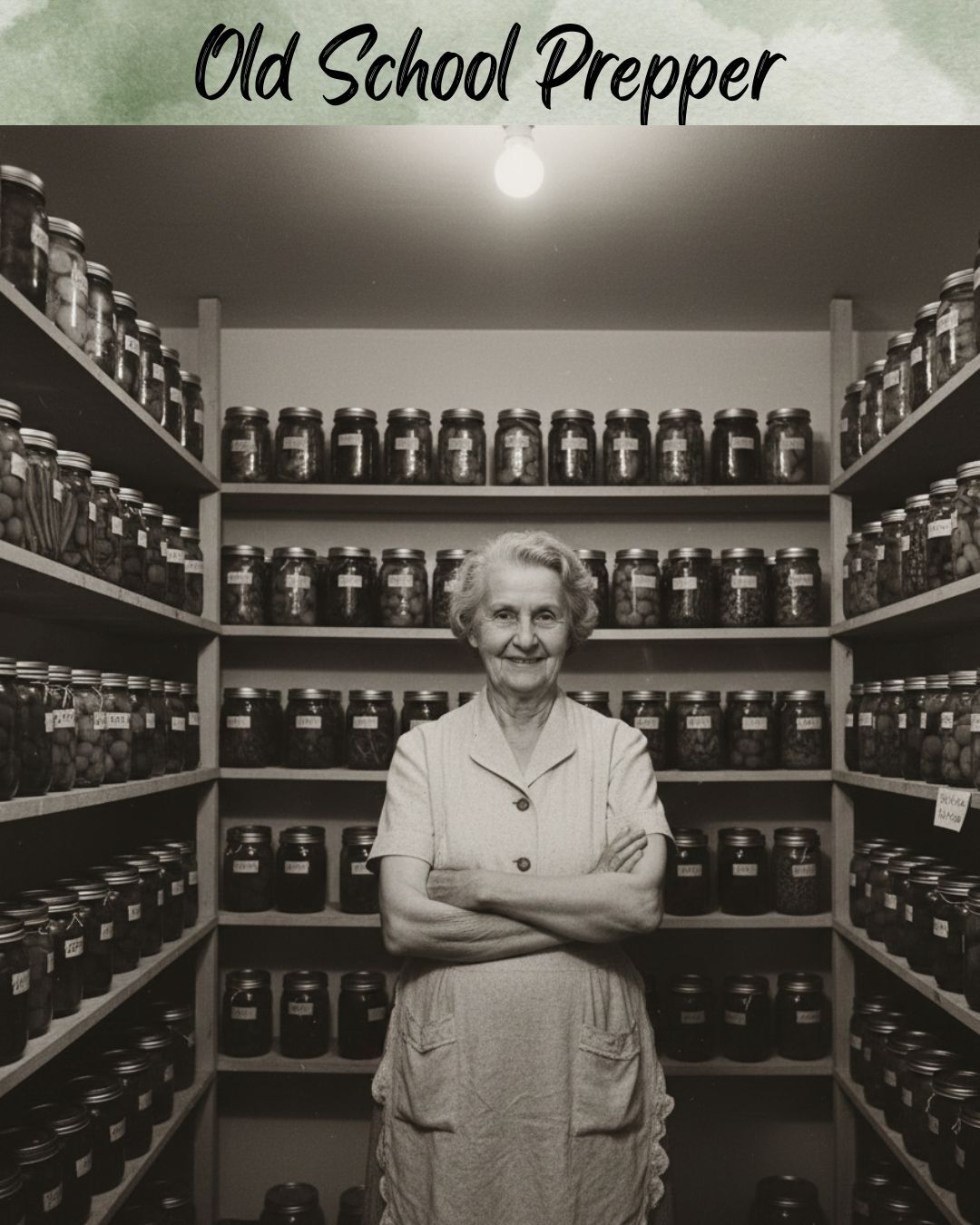
Preparedness and it’s legacy
Long before Mylar bags, oxygen absorbers, or even the word preparedness, moms & grandmas across America were already doing the work. From the early 1900s through the 1970s, kitchens doubled as food security centers. The steady rhythm of pressure canners, the pop of sealing lids, and rows of glass jars cooling on kitchen towels were everyday sights. These women preserved peaches in summer, green beans in fall, and stews and soups whenever the pantry allowed—because they understood something deeply: food on the shelf meant peace of mind. (Canning actually started before this in France in the early 1800’s)
Canning wasn’t trendy. It wasn’t optional. It was wisdom passed quietly from one generation to the next. Grandmas planned around seasons, stretched meals during lean years, and filled their shelves with intention. They didn’t call it prepping. They called it being responsible. Today, Mimi’s pantry may use modern tools and materials, but the heart behind it hasn’t changed. Preparedness is still about care, foresight, and making sure the people you love are fed—no matter what tomorrow brings.
Learning from Mimi’s Grandma - When Preparedness Was Survival: Lessons from the Great Depression & WWII
The Great Depression taught an entire generation that food security could disappear overnight. Jobs vanished, money was scarce, and grocery store shelves weren’t guaranteed. Families survived because moms & grandmas knew how to stretch what they had. They canned everything they could, reused jars until the labels wore thin, saved scraps for soups, and wasted nothing. A full pantry wasn’t about abundance—it was about resilience.
Then came World War II, and with it, ration books, shortages, and victory gardens. Sugar, flour, coffee, and meat were limited. Families learned to adapt. Home canning surged as gardens turned into lifelines, and kitchens became quiet command centers of care. Every jar represented planning, patience, and protection for the months ahead. These women didn’t hoard—they prepared. And they did it so their families could face uncertainty with dignity.
Today, Mimi’s pantry carries those same lessons forward. While we no longer rely on ration books, uncertainty still exists—weather emergencies, supply chain disruptions, and unexpected life events remind us that being prepared is never outdated. Modern tools like Mylar bags and oxygen absorbers simply allow us to preserve food longer and more efficiently, but the mindset? That’s straight from grandma’s kitchen.
Mimi’s Step-by-Step Pantry Tips (Beginner-Friendly & Real-Life)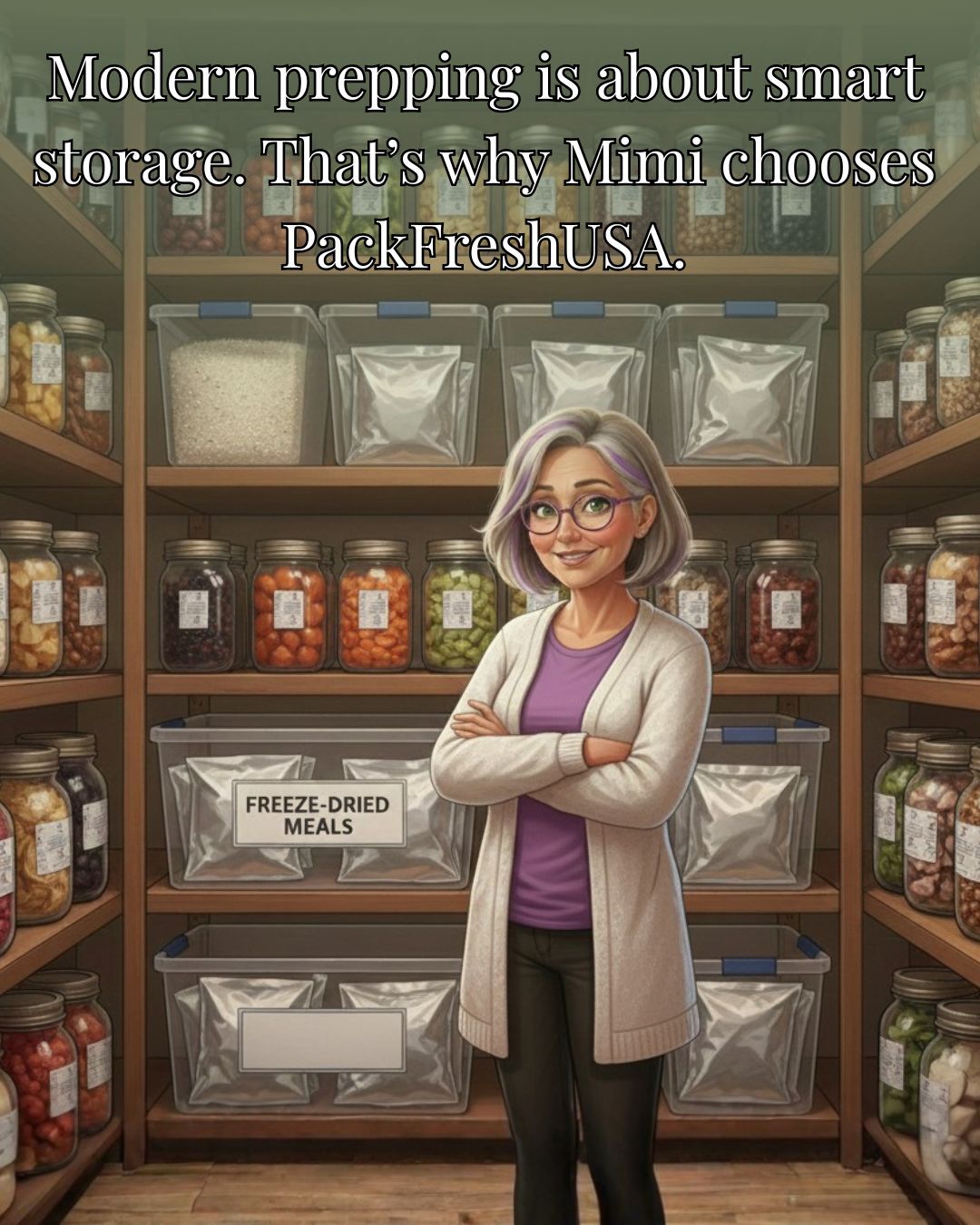
1️. Start with What You Already Have
Before buying anything new, take inventory. Mimi always says:
“You can’t store what you don’t see.”
Group items by category—grains, proteins, fruits, snacks, meals.
2️. Choose the Right Storage for Each Food
Not everything belongs in the same container.
- Dry goods → Mylar bags + oxygen absorbers
- Freeze-dried foods → Mylar with OAs or vacuum-sealed Mason
- Everyday pantry items → Glass jars or airtight containers
PackFreshUSA makes it easy to match the right bag and absorber size to each food—no guessing required. The 7 mil Box Set 7 Mil Mylar Box Set . For dry and freeze-dried foods or Mason Jars they have the Oxygen Absorber, Combo for Mason Jars
3️. Remove Oxygen, Protect Flavor
Oxygen is the enemy of long-term food storage.
Using quality oxygen absorbers helps preserve:
- Taste
- Texture
- Nutrition
- Shelf life
Mimi always says, "oxygen free is where preparedness goes from good to done right."
4️. Label Like Your Future Self Depends on It
Because she does.
Always label:
-
Food name
-
Date packed
-
Expected shelf life
-
Keep an inventory
A calm pantry is one you can read at a glance.
5️. Store What You Eat (and Eat What You Store)
Preparedness works best when it fits real life.
Stock foods your family already enjoys and rotate regularly.
This isn’t about perfection—it’s about intention.
6. Build Slowly, Build Confidently
Preparedness is not a race.
One shelf at a time. One meal at a time. One bag at a time.
Mimi didn’t build her pantry in a weekend—and you don’t have to either.
This is a great blog to help you get started: Prepping Resolutions- Building a Stronger More Prepared You in 2025
Call to Action
If you’re ready to build a pantry that brings peace instead of panic, start with storage you can trust.
PackFreshUSA offers reliable Mylar bags, oxygen absorbers, and food storage solutions designed for real families and real preparedness. Whether you’re just beginning or upgrading your system, the right tools make all the difference.
Prepared for What Comes Next
Preparedness has always been about looking ahead with care. From the grandmas who canned through the Great Depression and rationed through wartime, to today’s families building calm, organized pantries, the goal has never changed—make sure the people you love are fed.
The tools may look different now, but the heart is the same.
If you’re ready to start—or refine—your own pantry, PackFreshUSA makes it easier to take that first step with confidence. Their PackFreshUSA Food Storage Calculatorfood storage calculator helps you figure out what to store, how much you need, and where to begin—so you’re not guessing or feeling overwhelmed.
Because preparedness isn’t about fear.
It’s about peace of mind.
And peace of mind starts with knowing you’re prepared—one shelf, one bag, one thoughtful step at a time.
Prepared is peaceful. And PackFreshUSA is here to help you get started.
From my pantry to yours,
Mimi ?